I first visited Italy in 2007 and immediately fell in love. My first trip was simple: we went from Venice across to Florence and down to Rome and the Vatican, and I loved every moment. Even now, 18 years later, I still feel like I have not finished exploring these cities. Over the years I have branched out into other areas such as Tuscany and the south, and I have fallen deeply in love with Amalfi and Capri. There is nothing better than sipping wine in the late afternoon in the center of Rome, it remains one of my favorite things in the world to do.
We have been creating luxury trips for clients in Italy for just as long. Some of our clients want a quick call so we can simply book hotels and secure Virtuoso benefits. More and more, clients want the entire trip planned so they arrive and every part is taken care of. We have built the best partnerships in Italy, and this has not been easy. We have tried and tested many, and some have failed us, but now we are in a position where we have a fantastic group of solid partners who we have worked with year after year. Many have become friends, and with that they always keep an extra special eye out for our clients.
This Italy travel guide is written from my own tips and experience gained over a career of more than 20 years in luxury travel. I am not a professional writer, but I know I can add value, insight, and memorable touches to any Italy trip. I hope you find this guide useful as you plan your own journey.
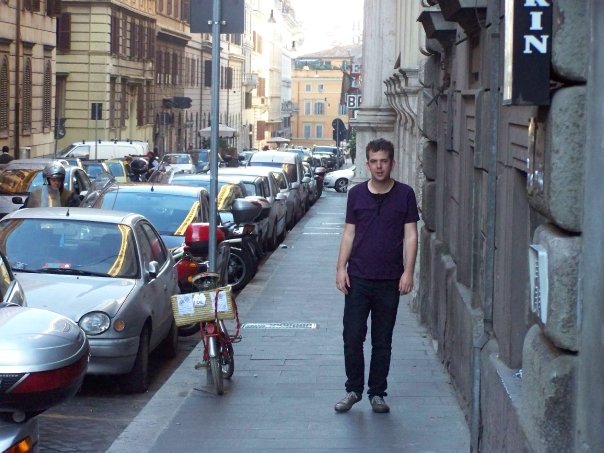
Photo from my first trip to Italy in 2007, starting in Venice and traveling through Florence, Rome, and the Vatican.
Why Clements Travel for Italy
We have been traveling to Italy since 2007 and have explored every corner of the country. Over the years we have established the very best suppliers, a process that has taken time and persistence, but we have built relationships that now make all the difference for our clients.
When you book with us you also receive valuable hotel benefits through our preferred partner programs. These typically include:
- Daily breakfast for two
- Resort or hotel credits
- Priority upgrades where available
- Early check-in and late check-out
- VIP recognition and amenities
We are truly accessible, with chat functions such as WhatsApp available before, during, and after your trip. This means you always have support at hand, whether it is a last-minute restaurant reservation or a change in travel plans.
We handle this professionally, it is our job, not a hobby. Our experience and dedication mean you can relax knowing everything is taken care of. We can also arrange private transfers, insider tours with expert guides, behind-the-scenes access, and secure restaurant and event reservations that are otherwise difficult to get.
My trips and recommendations are different from many other travel agents. I only use hotels I truly believe in, and I am not afraid to call out a property if it fails to deliver a wonderful experience for my clients.
We do not charge any sort of fee for our services.
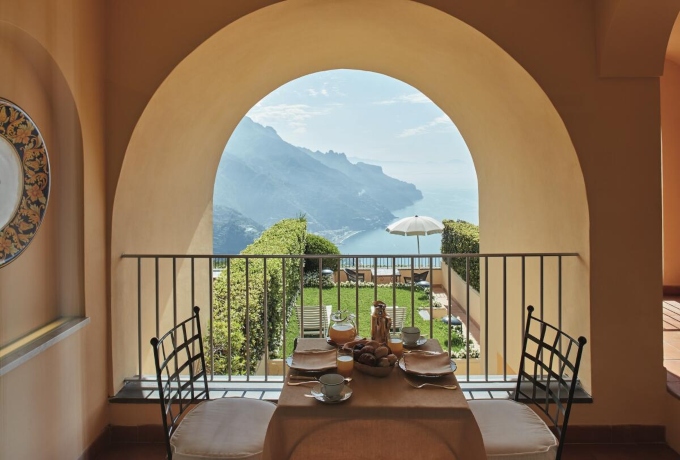
Our hotel partners in Italy deliver the best benefits and exclusive experiences.
Best Time to Visit Italy, 2026 Calendar and Seasonality
January to March
Best for skiing in the Dolomites and Alps, quiet art cities, and truffle and wine weekends in Piedmont. Carnival in Venice can affect availability and pricing. In 2026 the Winter Olympics will also take place in northern Italy, bringing major events and extra demand to the Dolomites and Alpine regions.
April
Spring flowers, Easter travel, and longer daylight. Excellent for Rome, Florence, Tuscany, and Puglia before the heat.
May
Shoulder season sweet spot. Warm weather without the intensity of peak summer, and fewer crowds. Our favorite month for classic itineraries and my personal favorite time to visit the main cities, when the weather is good but not too hot and it is less busy.
June to August
Peak summer. Amalfi Coast, Capri, Lake Como, and most Riviera and island areas are at maximum demand. Expect higher prices, minimum stays, and waitlists.
September
Warm seas with softer crowds than July and August, plus harvest season in Tuscany and Piedmont. One of the best months for food and wine, and also one of my favorite times to visit the main cities for pleasant weather and fewer crowds.
October
Golden light, grape harvest, white truffles in Piedmont. Sicily and Puglia are still warm.
November to December
Quiet museums, festive markets in select towns, opera seasons, and culinary breaks.
How to Book Italy in 2026
Planning ahead is key. The most sought-after hotels in Italy are small, seasonal, and in very high demand. To secure the right room and experiences, follow these guidelines:
Booking Window
- Plan up to 12 months in advance, especially for peak season (June to September).
- Summer 2026 hotel availability is expected to open in autumn 2025. For Capri, Amalfi Coast, and Lake Como, rooms often sell out within weeks of release.
- Shoulder seasons (May and September) offer the sweet spot of good weather, lighter crowds, and easier availability.
Deposits and Policies
- Most luxury properties require a 50% deposit at booking, with the balance due on arrival.
- Standard cancellation terms: 30 days prior for a full refund. Policies vary by property and season.
- Expect minimum stay requirements in July and August at Amalfi and Capri hotels.
Room Categories and Layouts
- Italy’s historic hotels often have unique layouts. Two rooms in the same category can differ in size, shape, and view.
- It is best to book with a travel advisor who knows the property well and can secure the best-appointed rooms. In many cases, we can even request specific room numbers for our clients.
Preferred Partner Value
Booking through Clements Travel unlocks exclusive programs like Virtuoso, STARS, and Luminous. At no extra cost, you’ll receive:
- Daily breakfast for two
- Resort or hotel credit
- Priority upgrades at check-in
- Flexible check-in/out where available
- VIP recognition and welcome amenities
Restaurants and Experiences
- Reserve Michelin-starred restaurants, private guides, and special experiences once your hotels are confirmed.
- In peak season, tables in Capri or Amalfi can book out months in advance.
Transfers and Logistics
- Arrange private transfers (Amalfi drivers, Capri boats, Dolomite ski transfers) as early as hotel booking. These services are in short supply at peak times.
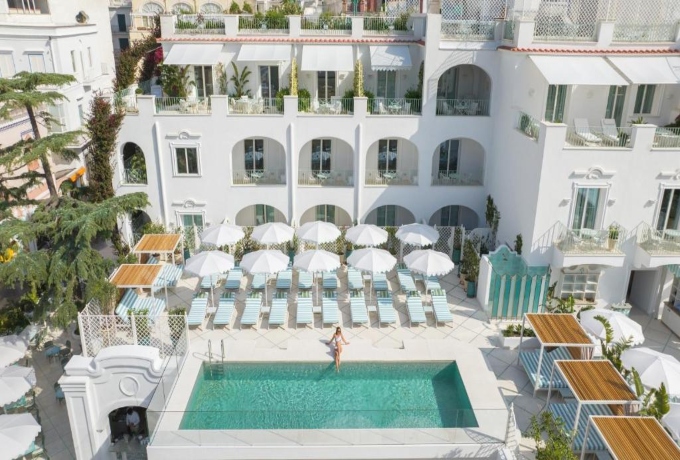
Hotel La Palma Capri, only 50 rooms, each with a private terrace. Booking early secures the best rooms for summer 2026.
Airports & Entry Points
Italy has several international gateways, and choosing the right one saves time and stress. We often design itineraries so you fly into one city and out of another (for example, Venice in and Rome out). This maximizes your trip and avoids unnecessary backtracking.
Milan Malpensa Airport (MXP): Best for Lake Como & the Dolomites
- Closest major hub to Lake Como (about 1 hour by car).
- Excellent for the Dolomites and northern Italy.
- Direct flights from many U.S. cities with United, Delta, and American.
- Did you know? Emirates, a five-star airline, flies direct from New York to Milan, offering another premium option.
Venice Marco Polo Airport (VCE): For Venice & Verona
- Only 25–35 minutes to St Mark’s Square by private water taxi.
- Convenient for Venice, Verona, and Dolomites itineraries.
- Increasing direct flights from the U.S. make it an attractive starting point.
Florence (FLR) & Pisa (PSA): Airports for Tuscany & Umbria
- Florence Airport is only 20 minutes from the city center.
- Pisa offers more seasonal flights and is a good alternative for Tuscany.
- Ideal gateways for Chianti, Siena, and Umbria.
Rome Fiumicino (FCO): Italy’s Main Hub
- Italy’s largest airport with the most international connections.
- About 40–50 minutes from the historic center of Rome.
- Direct flights from all over the U.S. with United, Delta, and American.
- Perfect entry for southern Tuscany, Umbria, and Amalfi transfers.
Naples Airport (NAP): Gateway to the Amalfi Coast & Capri
- Best airport for Amalfi Coast and Capri.
- Positano is about 90 minutes by car or 40 minutes by boat from Naples.
- Every year, more U.S. airlines add direct flights into Naples, making it easier than ever to reach the south of Italy.
Sicily Airports (CTA & PMO): For Taormina & Palermo
- Catania (CTA) serves Taormina and eastern Sicily.
- Palermo (PMO) covers the west and the capital city.
- Both have seasonal international connections and strong domestic links.
- Each year more direct U.S. flights are being added, reducing the need to connect via Rome or Milan.
Sardinia Airports (OLB & CAG): Costa Smeralda & the South
- Olbia (OLB) is the main gateway to the glamorous Costa Smeralda.
- Cagliari (CAG) is ideal for the quieter southern beaches.
- Easy to combine with Rome or Florence for a two-part trip.
Puglia Airports (BRI & BDS): Bari & Brindisi
- Bari (BRI) is best for northern Puglia.
- Brindisi (BDS) serves the Salento region in the south.
- Both airports are small, efficient, and growing in popularity.
Why Book Flights with Clements Travel
Alongside hotels and itineraries, we can also arrange business class tickets through our partners. The benefit of booking flights with us is peace of mind:
- We manage delays and cancellations, which are especially common in Italy due to strikes.
- Our team takes care of re-routings and changes so you never have to spend hours on hold with an airline.
- You still earn miles and points on your preferred airline program exactly as if you booked direct.
- This saves you time, stress, and ensures your journey stays seamless.
Thinking of combining flights and hotels? Click here to enquire about flight quotes and we will prepare the best options for you.
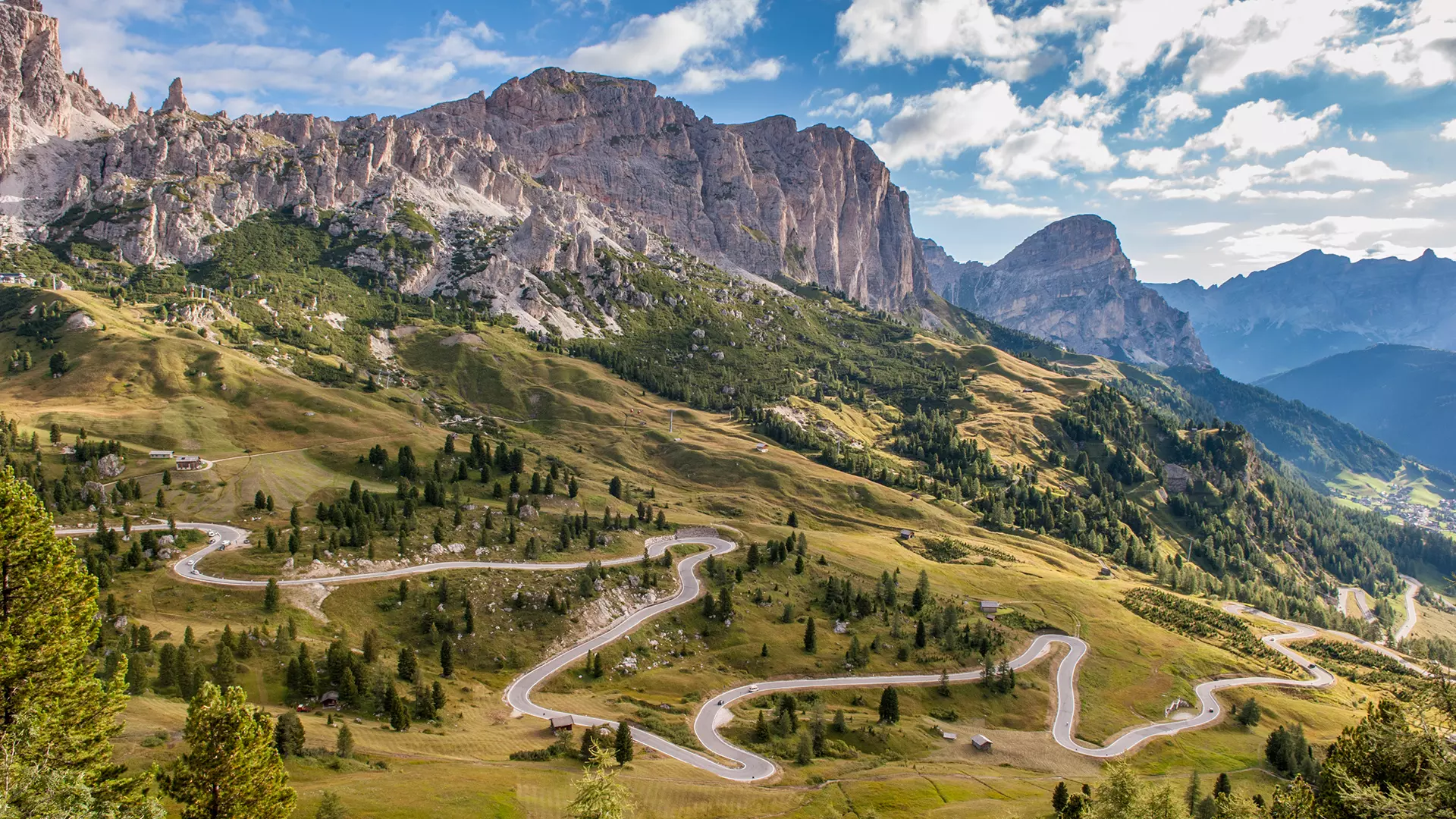
Driving in the Dolomites, having a car makes it possible to reach remote alpine passes and hidden villages.
Driving in Italy: Tips for Travelers in 2026
Driving in Italy can be one of the most rewarding ways to see the country. It gives you the freedom to explore at your own pace, discover hidden villages, and enjoy landscapes you would otherwise miss. Car rental in Italy is straightforward, with pickup locations at airports, train stations, and in major city centers. In certain regions, a car is not just convenient but essential, especially in the Dolomites, Piedmont, and much of southern Italy.
What to Expect When Driving in Italy
Traffic in Italy varies by region. In the south, driving can feel intense, with scooters weaving through traffic and cars darting between lanes. Visitors often compare it to a scene from Fast and Furious. Confidence is important behind the wheel. Stay calm, keep to the right lane, and let local drivers pass in the left.
Car Rental Requirements in Italy
- A valid driver’s license from your home country is required.
- Many agencies ask for an International Driving Permit (IDP), especially if your license is outside the EU or EEA. Italian law technically requires this, though enforcement is inconsistent. Some rental counters will insist on it, so it’s best to carry one.
- Always carry your passport along with your license.
Choosing the Right Car
- Compact cars are recommended. Many Italian towns have narrow lanes, historic centers, and tight parking spots that make larger vehicles impractical.
- Always keep a credit card handy, as it is usually required for rental deposits and toll roads.
- Gas stations can be less frequent than in the United States, so keep the tank at least half full.
Insurance and Navigation
- Check whether your travel insurance or credit card already provides car rental insurance before purchasing extra coverage at the desk.
- Google Maps and Waze both work well for navigation across Italy.
Timing Your Pickup
If you’re arriving after a long international flight, consider arranging a private transfer to your hotel for your first night. You can then collect your rental car from a city location once you’re rested. This avoids the risk of driving tired and makes your trip start more smoothly.
Understanding ZTL Zones in Italy
Most Italian towns and cities have ZTL zones (Zona a Traffico Limitato), or restricted traffic areas. These are strictly enforced with cameras, and fines are automatically mailed, even to international visitors.
- Park outside the historic center when possible.
- Ask your hotel if they can register your plate for temporary access.
- Always look for ZTL signs at city entrances.
Clements Travel Car Rental Advantage
We work directly with all the main car hire companies and have preferred rates that often beat public pricing. Booking your rental through us means:
- Competitive pricing on luxury and standard car rentals in Italy
- Priority service at the rental desk
- Advice on choosing the right vehicle for your itinerary
- Support if there are delays, cancellations, or changes
Email us for a complimentary quote before you book, we can often save you money and ensure you get the right car for your trip.
Train Travel in Italy
For many trips, train travel in Italy is the easiest and most comfortable way to move between cities. The high-speed network connects all the major hubs, and trains are frequent, fast, and reliable. Unlike airports, train stations are right in the city center, which saves valuable time on transfers.
High-Speed Train Times
- Rome → Florence: about 1 hour 30 minutes
- Rome → Milan: about 3 hours
- Florence → Venice: about 2 hours 5 minutes
- Rome → Naples: about 1 hour 10 minutes
- Milan → Venice: about 2 hours 25 minutes
Why I Prefer Executive Class
When I travel by train in Italy, I always recommend executive class, which is one level above business. The carriage has only ten seats, so in the busy summer months it feels like a haven of calm compared to the crowds outside. Meals, including hot dishes and wine or spirits, are included in the ticket price, served directly to your seat.
Last year, traveling from Milan to Florence, there was a delay and I was really impressed by the level of service. The cabin host kept me updated throughout and even liaised with my platform porter to make sure my onward connection was smooth. It’s that level of care that makes executive class worth it.
The Stations
Italy’s train stations are destinations in themselves. Milan Centrale, Florence’s Santa Maria Novella, and Rome’s Termini are grand, historic buildings that feel more like landmarks than transport hubs. Walking through them adds to the sense of occasion that train travel in Italy brings.
Concierge Touch
For clients, I often arrange a station greeter who meets you right at the carriage door, helps with luggage, and escorts you directly to your driver. It makes a big difference in stations as busy as Rome or Milan and takes the stress out of arrival.
Why Take the Train?
- City center to city center – no airport transfers
- Frequent departures all day
- Comfortable cabins and smooth rides
- Meals and drinks included in executive class
- Scenic countryside views along the way
South of Naples, train options become more limited, and that’s when I usually suggest a private driver or car hire. But between the main cities, high-speed trains are unbeatable.
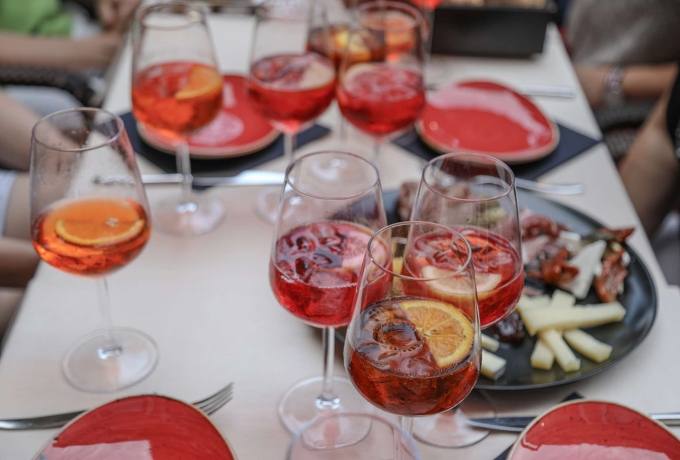
Aperitivo time in Venice. spritz and cicchetti from our private food and wine tour.
Food and Drink in Italy
One of the best parts of any trip to Italy is the food and wine. The cuisine changes as you move through the country, and every region has its own specialties. In the north you’ll find rich, buttery dishes, creamy risottos, polenta, and Alpine cheeses. Piedmont is known for white truffles, Barolo wines, and hearty meat stews. Liguria is the birthplace of pesto and also has some of the best seafood. Emilia-Romagna is the region where so many Italian food classics come from, like Parmigiano-Reggiano cheese, Parma ham, balsamic vinegar from Modena, and tagliatelle al ragu. Tuscany is famous for simple grilled meats, beans, and Chianti wines. Further south the flavors get lighter, with more olive oil, tomatoes, and citrus. Naples is the home of pizza, the Amalfi Coast is all about lemons and seafood, Sicily has Middle Eastern influences with couscous, swordfish, and cannoli, and Sardinia is known for roast suckling pig and pecorino cheese.
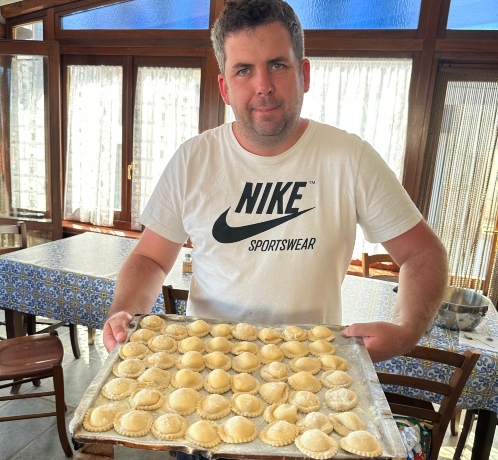
Learning to make fresh pasta during a private cooking class in Amalfi, Italy
Our Italian food tours and cooking classes are always private and built around what you want. We only use guides who are chefs, sommeliers, or passionate local food experts. For example, in Venice we arrange a private aperitivo tour with one of our sommeliers. It feels more like going out with a local friend than being on a tour. You’ll try four different spritz styles, each made with a different bitter, paired with cicchetti like baccalà mantecato and local cured meats. We time it around sunset so you’re walking through the canals and squares just as the city looks its best.
In Piedmont we take clients on private truffle hunts with professional truffle hunters and their dogs. You’ll head into the woods and vineyards that surround Alba, following the dogs as they sniff out white and black truffles. Afterwards, we usually arrange a tasting paired with Barolo or Barbaresco wines so you can see exactly why this region is considered one of Italy’s food capitals.
In Naples we run a food and pizza tour that combines the best of street food with a hands-on lesson. The walking part takes you through small specialty shops and food stalls where you’ll taste mozzarella di bufala, spaghetti alla puttanesca, and other Neapolitan classics. Then you roll up your sleeves in a local pizzeria to learn the art of making the perfect Neapolitan pizza, finishing with a pie of your own fresh from the oven.
We also arrange market tours with chefs, pasta-making classes, and wine pairing lessons in Tuscany. These kinds of experiences give you a deeper connection to Italy than you’d ever get by just eating in restaurants. One of our favorites is a grandmother just outside Amalfi who invites clients into her home to show them how to make a pasta sauce that tastes better than anything you’ll find in a Michelin-starred restaurant.
Cultural Nuances and Tipping in Italy
Traveling in Italy is about more than sights and hotels, it is also about understanding the local culture. Knowing the unspoken rules of Italian etiquette will make your trip smoother and help you connect with locals in a genuine way.
Food and Dining Etiquette
- No Hawaiian pizza: Pineapple on pizza does not exist in Italy. Asking for it will likely earn you laughs or disapproving looks.
- How to eat pasta: Never cut pasta with a knife. Italians twirl it on a fork, and you will stand out if you chop it. A few summers ago in a small restaurant just outside Siena, my friend made the mistake of cutting his pasta, and the look on the staff’s face was priceless. It was a reminder that even small details of dining etiquette matter in Italy.
- Cappuccino rules: A cappuccino is for breakfast only. Ordering one after 11:00 am is breaking an unspoken rule every Italian knows. Stick to espresso or macchiato later in the day.
Politeness and Greetings
Politeness is central to Italian daily life. A simple “buongiorno” (good morning) or “buonasera” (good evening) when entering a shop, restaurant, or even an elevator sets the tone. Always say goodbye when leaving. These small gestures make interactions warmer and more respectful.
Cover Charges and Dress Codes
- Cover charges: Most restaurants, even at the luxury level, add a coperto (cover charge) of €2–6 per person. This can feel frustrating, especially when you are already spending thousands on a five-star hotel stay and then see an extra charge on a simple poolside lunch. I have had many conversations with hotel managers about this, but the reality is that it is a cultural norm in Italy and it is not going away. Think of it as part of the dining experience rather than a scam, it is simply how Italian hospitality operates.
- Dress codes: At religious sites such as the Vatican, bare shoulders and short skirts are not allowed. Every time I visit, I see dozens of people being turned away at the entrance. Italians also value style, and part of the culture is looking and smelling good. In the evenings, restaurants often lean more formal, so dressing well will help you fit in and enjoy the experience.
Tipping in Italy
Tipping is far more restrained than in the United States, but still appreciated:
- Restaurants: Round up the bill or leave 5–10 percent for good service.
- Drivers and guides: €10–20 for a half day, €20–50 for a full day.
- Hotel porters: €2–3 per bag.
- Housekeeping: €5–10 per night.
- Concierge: €20–50 when they secure a special reservation or provide exceptional assistance.
Safety and Travel Awareness
- Passports: By law, tourists must carry their passport at all times.
- Pickpockets: Major cities like Rome, Florence, and Naples have pickpocket risks. Avoid backpacks in crowded areas, keep jewelry minimal, and use a discreet, body-tight passport holder. Walk with awareness, as thieves target those who appear distracted. Here is a good passport holder on Amazon that I recommend, it is inexpensive, comfortable, and works perfectly for travel.
- Confidence is key: The best defense is to look alert. If anything does happen, Clements Travel is here to help.
Language and Phrases
Even a little Italian goes a long way. Simple phrases like grazie (thank you), per favore (please), and buongiorno (good morning) are always appreciated. Spend a few minutes on Duolingo before your trip or carry a pocket Italian phrasebook. Locals love when visitors make the effort.
Packing Guide for Italy
Packing for Italy is all about finding the balance between practicality and style. Italians are effortlessly fashionable, and while you do not need to look like you just stepped off a Milan runway, a polished look goes a long way. You will feel more comfortable in any setting, whether it is a café in Florence or a Michelin star dinner in Rome.
Spring and Autumn (April–May, September–October)
These are the seasons I love for walking and exploring. Pack light layers and a tailored jacket. Stylish but comfortable shoes are essential, as you will be on your feet a lot.
Summer (June–August)
Italian summers are hot, especially in the south and on the coasts. Think linen shirts, flowing dresses, light trousers, and sandals. A wide-brimmed hat and good sunglasses are a must for the Mediterranean sun. If you are headed to Capri, Amalfi, or Sardinia, pack refined swimwear and elegant coverups for hotel pools and exclusive beach clubs.
Winter (November–March)
Northern Italy can be surprisingly cold in the winter, particularly in the Dolomites and Milan. Bring a cashmere coat, fine knitwear, and leather boots. Layers are your friend here, and you will still want to look sharp even when bundled up.
Special Notes
- Churches (including the Vatican): Shoulders and knees must be covered. Always include at least one modest yet elegant outfit.
- Formal dinners or Michelin star restaurants: Evening wear is expected. Men should pack a blazer or tailored suit, women a cocktail dress or equivalent.
- Cobblestones: Italian streets are beautiful but unforgiving. Leave stilettos at home and bring stylish flats or block heels instead.
Practical Packing Essentials for Italy
- Liquids rule: The 100ml limit for carry-on liquids still applies at most airports. Make sure toiletries fit in a clear bag to avoid issues at security.
- Power adapter: Italy uses European plugs. This converter works perfectly in Italy. Unlike in the US, small towns do not have big-box stores like Walmart where you can easily grab one, so forgetting it can be frustrating and time-consuming.
- Refillable water bottle: Many Italian towns and cities have clean public fountains where you can refill for free. It saves money and is environmentally friendly.
- Portable charger: You will be taking photos and videos all day, and phone batteries drain quickly. I recommend this pocket-sized power bank. It fits easily in my pocket and I like that the cable is built in, so I don’t have to carry one separately.
- Medication: Always bring medication in its original packaging. Carry it in your hand luggage along with electronics, watches, and jewelry in case your checked bag goes missing. If in doubt, check with your airline, the Italian embassy, or consulate beforehand to confirm your medication is permitted, and bring a note from your doctor.
Luxury Shopping and VAT Refunds in Italy
Shopping in Italy is not just about buying things, it is part of the travel experience. From historic ateliers to glossy flagships, Italy is home to some of the world’s most iconic fashion houses, and the value is often better than in the United States thanks to favorable tax structures. Milan, Florence, and Rome are the country’s undisputed fashion capitals, but even Venice has its share of artisan boutiques. Combine that with the VAT refund system, and purchases here can be surprisingly advantageous.
Where to Shop Luxury in Italy
- Milan: The Galleria Vittorio Emanuele II, Via Montenapoleone, and the Quadrilatero della Moda are the heart of luxury shopping. Here you will find Gucci, Prada, Versace, Bottega Veneta, and Dolce & Gabbana all within steps of one another.
- Florence: Birthplace of Gucci and Ferragamo. Florence is famous for high-end leather goods, artisan jewelry, and boutiques near the Ponte Vecchio. Just outside the city, The Mall outlet features discounted collections from Valentino, Armani, and other designers.
- Rome: Head to Via dei Condotti and the Piazza di Spagna area for Bulgari, Fendi, and Italy’s most prestigious jewelers.
- Venice: Smaller but no less special. Think artisan boutiques, Murano glass, and Fortuny textiles rather than giant flagships.
Insider Tip: Concierge Appointments
Concierges at luxury hotels can often secure coveted appointments, such as private access at Hermès leather. These days, most hotels will only do this after you check in. In the past, travelers would book rooms just to secure an appointment and then cancel, so policies have tightened.
VAT Refunds in Italy
Non-EU residents can reclaim VAT (Value Added Tax) on purchases over €154.90 in a single store. To qualify, ask for a “Tax Free” form when you buy your item. At departure, present the form along with your receipts and goods at the airport or border. Refunds are usually processed back to your card within a few weeks.
My Advice for Clients
I always suggest shopping early in your trip, but letting hotels or boutiques arrange shipping for you. It saves you from carrying bags, ensures you still receive the VAT refund benefit, and makes your time in Italy easier and more enjoyable.
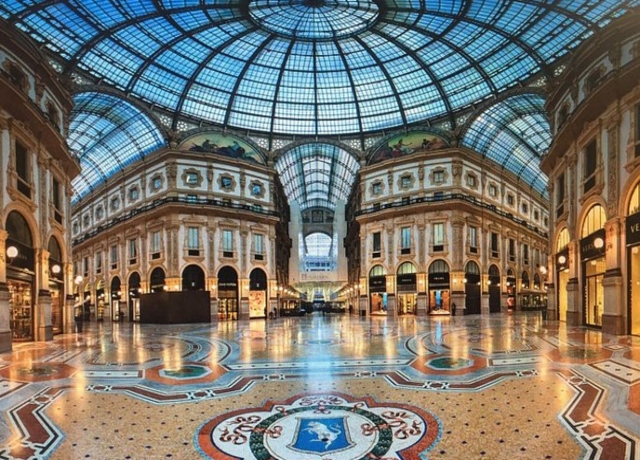
he Galleria Vittorio Emanuele II, Milan’s iconic shopping arcade, home to designer boutiques like Prada and Louis Vuitton.
Milan
Milan may not be Italy’s most beautiful city, but it plays an important role in many itineraries. Most of our clients spend at least a night here before or after Lake Como, and it is also the best gateway city with the widest choice of international flights.
Why Milan Matters
- Italy’s fashion capital and the best place in the country for designer shopping.
- The Galleria Vittorio Emanuele II, Milan’s iconic luxury arcade, leads directly to the Piazza del Duomo and its famous cathedral.
- A must for art lovers: Leonardo da Vinci’s The Last Supper. Tickets must be secured well in advance, and we usually book them alongside your hotel reservation.
Where to Stay in Milan
- Four Seasons Milan
Located steps from the main shopping district, with a newly renovated lobby. Try the Jasmine Spritz (Fermented Rhubarb, Pisco, Jasmine, Aperol, Prosecco).Four Seasons Preferred Partner benefits include:- Daily breakfast for two
- $100 hotel credit
- Upgrade on arrival if available
- Early check-in and late check-out if available
- VIP recognition and personalized welcome amenity
Book now: hello@clements.travel
- Hotel Principe di Savoia, Dorchester Collection
A grand Milanese property with classic service, owned by the same group as The Beverly Hills Hotel and Hôtel Plaza Athénée in Paris.Dorchester Collection Diamond Club benefits include:- Daily breakfast for two
- $100 hotel credit
- Guaranteed one-category upgrade at time of booking on select room types
- Early check-in and late check-out if available
- VIP recognition and welcome amenity
Book now: hello@clements.travel
- Park Hyatt Milan
Sleek, modern luxury right by the Galleria.Hyatt Privé benefits include:- Daily breakfast for two
- $100 hotel credit
- Upgrade confirmed within 24 hours when available at time of booking
- Early check-in and late check-out if available
- Personalized welcome amenity
Book now: hello@clements.travel
Travel Notes
Milan is one of the easiest entry and exit points in Italy, with more airline connections than any other city. We often suggest flying into Milan, spending a night to see The Last Supper and enjoy an aperitivo, then continuing to Como, the Dolomites, or other regions.
Shopping Value
Milan is one of the most cost-effective places in the world to buy designer fashion. Luxury boutiques here are often cheaper than in the United States due to local pricing structures and Italy’s VAT refund, which reduces costs by 12–22 percent. Combine that with the absence of U.S. import duties and markups, and Milan offers exceptional value for brands like Gucci, Prada, Versace, and Dolce & Gabbana.
Outlet Shopping Near Milan
Just over an hour from the city is Serravalle Designer Outlet, the largest designer outlet village in Europe with more than 230 stores. Expect deep discounts of 30–70 percent on brands such as Prada, Gucci, Versace, Moncler, Valentino, and Ferragamo. We can arrange private transfers to Serravalle as well as assistance with VAT refunds, so you can shop stress-free and maximize the savings.
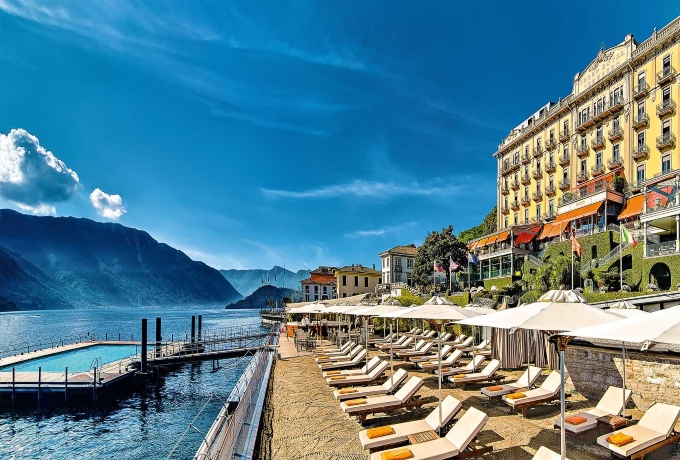
The iconic floating pool at Grand Hotel Tremezzo, one of the most famous luxury hotel experiences on Lake Como.
Lake Como
Lake Como is just over an hour from Milan, which makes it an easy and natural pairing with the city. Hotels here are some of the most exclusive in Italy, with very limited room counts. It is important to book early, as the best rooms sell out quickly.
My Top Hotel Picks
- Passalacqua
My favorite if you are looking for something truly intimate. With only 25 rooms in an 18th-century villa, it feels like a private retreat. The gardens are the best on the lake, and the service is flawless. It was named World’s Best Hotel by Travel + Leisure in 2023, and for good reason. If you want to avoid the busier parts of Italy, Passalacqua is the perfect hideaway.Virtuoso benefits include:- Daily breakfast for two
- $100 hotel credit
- Upgrade on arrival if available
- Early check-in and late check-out if available
- VIP recognition and welcome amenity
Book now: hello@clements.travel
- Grand Hotel Tremezzo
If you want something iconic and lively, Tremezzo is the classic choice. Its floating pool is one of the most photographed in the world, and it also has a Michelin-starred restaurant overlooking the lake. Out of the three, this is the most family-friendly option and works beautifully if you are traveling with kids.
Virtuoso benefits include:- Daily breakfast for two
- $100 hotel credit
- Upgrade on arrival if available
- Early check-in and late check-out if available
- VIP recognition and welcome amenity
Book now: hello@clements.travel
- Villa d’Este
The grande dame of Lake Como. With 152 rooms and expansive gardens, Villa d’Este has hosted royalty and celebrities for generations. It feels like a resort in the truest sense, with another floating pool, eight tennis courts, and even squash. George Clooney’s villa is just down the road, so you are in good company.
Virtuoso benefits include:- Daily breakfast for two
- $100 hotel credit
- Upgrade on arrival if available
- Early check-in and late check-out if available
- VIP recognition and welcome amenity
Book now: hello@clements.travel
Experiences I Recommend
When I send clients to Como, I always suggest a private motor boat tour. My operator has the best wooden James Bond–style boats on the lake, and they can pick you up directly from your hotel jetty. It is the most elegant way to see the villas and towns that line the water. Tours can be short, two hours or so, or we can arrange a full day with lunch on Comacina Island and stops in Bellagio, Tremezzo, and Varenna. Passing by George and Amal Clooney’s Villa Oleandra is always a highlight.
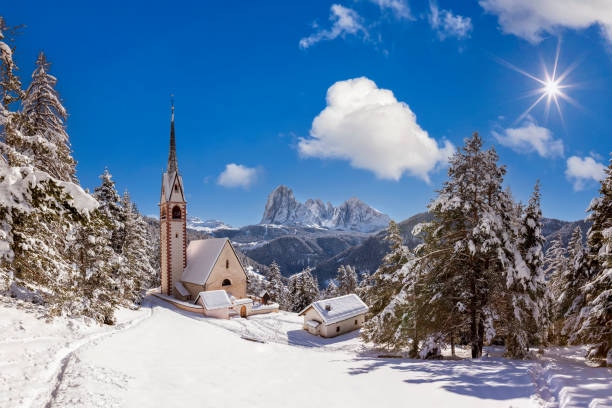
The Dolomites in winter, Italy’s premier ski region and host of the 2026 Winter Olympics.
The Dolomites
Yes, you can ski in Italy, and not just ski, but ski some of the most beautiful mountains in the world. The Dolomites, a UNESCO World Heritage Site, are northern Italy’s premier ski destination and will take center stage during the 2026 Winter Olympics. The scenery is breathtaking year-round, with jagged peaks, alpine meadows, and picture-perfect valleys. Winter means world-class skiing, and summer is just as rewarding with hiking, cycling, and even golf.
My Top Hotel Picks
- Aman Rosa Alpina
Following an extensive renovation, Aman Rosa Alpina has reopened as the Aman choice in the Dolomites. It is not ski-in/ski-out, but the hotel arranges seamless transfers to the lifts. What you get in exchange is Aman’s signature service, understated luxury, and a level of privacy and refinement that is hard to beat. In summer, the alpine trails, cycling routes, and crisp mountain air make it just as special.
Virtuoso benefits include:- Daily breakfast for two
- $100 hotel credit
- Upgrade on arrival if available
- Early check-in and late check-out if available
- VIP recognition and welcome amenity
Book now: hello@clements.travel
- COMO Alpina Dolomites
COMO brings its sleek, wellness-focused luxury to the Dolomites with true ski-in/ski-out access. The views are sweeping, the spa is exceptional, and the wellness lodge includes a beautiful indoor-outdoor pool plus traditional treatments like an Alpina hay bath. Many guided hikes are complimentary, and for the adventurous, heli-skiing and paragliding are also available. COMO makes an excellent choice if you want to step straight out onto the slopes.
Virtuoso benefits include:- Daily breakfast for two
- $100 hotel credit
- Upgrade on arrival if available
- Early check-in and late check-out if available
- VIP recognition and welcome amenity
Book now: hello@clements.travel
Getting There
The Dolomites do not have a major airport of their own. The easiest route is to fly into Venice Marco Polo Airport (VCE) and drive, the journey takes around three to three and a half hours depending on your destination within the region. Private transfers or self-drive options can be arranged, but there really is no faster or more convenient alternative.

Barolo vineyards in Piedmont with the Alps rising behind, the heart of Italy’s wine and truffle country.
Piedmont
Piedmont often flies under the radar, but it is one of Italy’s best-kept secrets. Tucked into the north, right on the border with Switzerland and France, the region runs from the Alps down to rolling vineyard hills. It is world-famous for Barolo and Barbaresco wines and for Alba’s prized white truffles. If you have already done Tuscany and want something a little less obvious, Piedmont is the perfect alternative. It has the same romance but without the crowds, and the hotel and dining scene here is absolutely first class.
My Top Hotel Picks
- Castello di Guarene
A proper Italian castle experience. Once the summer residence of the Counts of Roero, it comes with heavy drapes, original paintings, and restored parquet floors. The castle sits above the town of Guarene and overlooks the UNESCO-listed Langhe hills. The restaurant is rooted in Piedmontese cuisine, paired with local wines that will delight any serious wine lover. The spa is one of the most unique in Italy, set down a long vaulted hallway carved into the rock, with an indoor pool that feels like a hidden retreat.
Virtuoso benefits include:- Daily breakfast for two
- $100 hotel credit
- Upgrade on arrival if available
- Early check-in and late check-out if available
- VIP recognition and welcome amenity
Book now: hello@clements.travel
- Villa Crespi
Villa Crespi makes the list not just because it is exceptional, but because the client feedback is always outstanding. Built in 1879, just steps from Lake Orta, it has exotic Arabesque architecture and stunning gardens. The hospitality of Chef Antonino Cannavacciuolo and his wife Cinzia is second to none. Antonino’s Michelin three-star restaurant is a highlight in itself, with a tasting menu that takes you on a journey across Italy. Guests love the blend of extraordinary dining and warm, personal attention, and I consistently hear glowing reviews after their stay. Being only 45 minutes from Milan Malpensa makes it a convenient yet unforgettable choice.
Virtuoso benefits include:- Daily breakfast for two
- $100 hotel credit
- Upgrade on arrival if available
- Early check-in and late check-out if available
- VIP recognition and welcome amenity
Book now: hello@clements.travel
My Advice for Piedmont
The beauty of Piedmont is that it is best enjoyed as a multi-stop journey. I often recommend road-tripping between a couple of properties. The region is home to some of the best restaurants in Italy, but many only open on select days. This is where my planning makes the difference. I design itineraries around the top restaurants and best hotels so you never miss out. For example, we often build trips around dining at Piazza Duomo in Alba, one of Italy’s three-Michelin-star restaurants, or Guido Ristorante in Serralunga d’Alba, which pairs Barolo wines with refined Piedmontese classics.
One of the highlights we arrange is a private truffle hunt, where you join local experts and their trained dogs in the forests around Alba. After the hunt, the truffles are prepared into a seasonal meal, which we can pair with a wine tasting at a Barolo or Barbaresco estate. It is one of the most authentic and memorable food and wine experiences in Italy.
Another advantage is the location. The French Riviera is right next door, and it is easy to add on a few days in Saint-Tropez or Antibes before or after Piedmont. It makes for a glamorous two-country itinerary that always impresses.
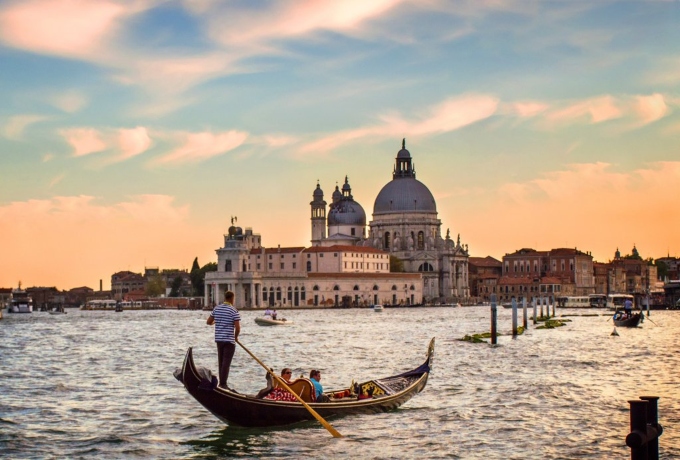
Gondolas on the Grand Canal at sunset, the most iconic view of Venice and a symbol of the city’s timeless romance.
Venice
Venice has one of the highest concentrations of luxury hotels in Europe, and each offers something different. The city is timeless, atmospheric, and best explored with a mix of freedom and carefully chosen experiences.
My Top Hotel Picks
- Aman Venice
The most exclusive choice in Venice, with only 24 rooms directly on the Grand Canal. It is one of the few hotels in the city with private gardens, and the restaurant overlooks the canal. Known for spa and wellness, Aman Venice is serene and private. This is also the hotel where Jeff and Lauren Bezos were married in 2025.
Virtuoso benefits include:- Daily breakfast for two
- $100 hotel credit
- Upgrade on arrival if available
- Early check-in and late check-out if available
- VIP recognition and welcome amenity
Book now: hello@clements.travel
- Hotel Cipriani, A Belmond Hotel
Famous for its island setting with a private garden and an Olympic-size pool. This is the best option for families, with a Kids Club and a dedicated children’s pool. Free transfers to St. Mark’s Square take just five minutes. Cipriani is also home to the world-renowned Harry’s Bar, birthplace of the Bellini.
Belmond Bellini Club benefits include:- Daily breakfast for two
- $100 hotel credit
- Upgrade on arrival if available
- Early check-in and late check-out if available
- VIP recognition and welcome amenity
Book now: hello@clements.travel
- The Gritti Palace
Our most-booked hotel in Venice. A Marriott Luxury Collection property with only 82 rooms, it is ideal for Bonvoy members. Centrally located, historic, and classically Venetian in style, it delivers a consistently outstanding experience.
Marriott STARS benefits include:- Daily breakfast for two
- $100 hotel credit
- Upgrade on arrival if available
- Early check-in and late check-out if available
- VIP recognition and welcome amenity
Book now: hello@clements.travel
- Hotel Danieli
A centrally located option that usually carries a lower price point compared to Venice’s other luxury addresses. It is easy to walk everywhere, and client feedback is consistently excellent.
Virtuoso benefits include:- Daily breakfast for two
- $100 hotel credit
- Upgrade on arrival if available
- Early check-in and late check-out if available
- VIP recognition and welcome amenity
Book now: hello@clements.travel
Orientation and Touring
Venice is easy to walk around independently, and most clients prefer this freedom. That said, I recommend starting with a welcome orientation tour led by a degree-educated historian. It covers highlights such as Fondaco dei Tedeschi, Corte del Milion, the Rialto neighborhood, Rialto Bridge, and St. Mark’s Square. This can also be extended for a deeper dive into Venetian history or adapted by private motorboat for those who prefer to see the city from the water.
Food and Wine Experiences
Our Venice Aperitivo Food Tour is always a favorite. Led by a sommelier, this private experience introduces Venetian cocktail culture at the golden hour. You will sample iconic drinks such as the Bellini, prosecco, and four different spritz styles, each paired with Venetian small plates like baccalà mantecato and charcuterie. Clients consistently tell me it feels like exploring with a local friend rather than taking a tour.
Specialty Experiences
These are just a sample of what we can arrange in Venice:
- A private glassmaking workshop visit on Murano
- A curated tour of the Accademia Gallery
- Exclusive after-hours access to hidden palaces and artisan studios
Gondolas
Gondola rides are easy to arrange independently and can also be flagged with the help of our guides at the end of a tour. Standard tours last about an hour, covering smaller canals, the Grand Canal, and the Rialto Bridge.
Pisa
For many travelers, Pisa is about one thing, ticking off the Leaning Tower of Pisa. It is iconic and worth seeing once, but beyond the tower there is not a huge amount to do in town.
There are no true luxury hotels here, but if you need to stay overnight the best choice is Bagni di Pisa Palace & Thermal Spa, a Leading Hotels of the World property. One night is more than enough.
That said, Pisa is very easy to combine with other destinations. From Florence, it is only about an hour and a half by car, which makes it perfect for a quick stop. Many of our clients visit the tower, have lunch nearby, and then continue on to their next destination without needing to stay the night.
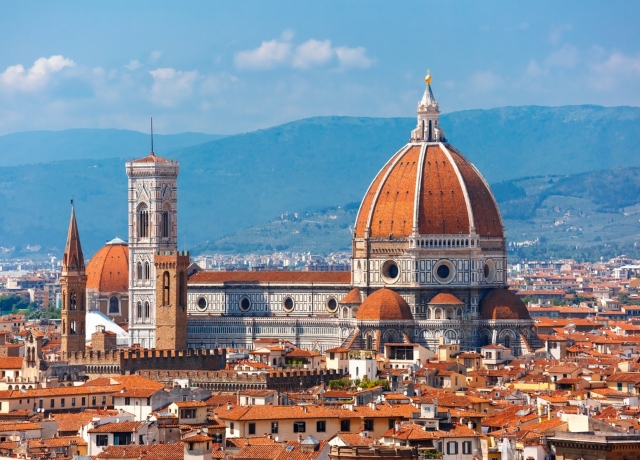
he Duomo of Florence at golden hour, the city’s most iconic landmark and the heart of Renaissance Italy.
Florence
Florence is one of those cities that never loses its wow factor. The architecture, the churches, the art, it is breathtaking. The Cathedral of Santa Maria del Fiore (the Duomo) is the city’s centerpiece, and it feels like half the world is standing outside with you. That is why having the right hotel matters, and Florence has some of the best luxury properties in Italy.
Four Seasons Firenze
For me, this is the best city hotel in the world. The Four Seasons Firenze has the largest private garden in the city, giving you a peaceful escape from the crowds. The rooms are beautiful, but the specialty suites are unforgettable, with frescoed ceilings, Majolica tiled floors, and Renaissance details that make you feel like you are living in a work of art. The marble bathrooms are just as impressive, with every amenity thought of.
The bar has that dreamy Florentine atmosphere, often with a piano player at night, and Il Palagio, the Michelin-starred restaurant, serves what I think is the best risotto in Italy.
Virtuoso Benefits at Four Seasons Firenze:
- Daily breakfast for two
- $100 USD hotel credit
- Room upgrade on arrival, if available
- Early check-in and late check-out, if available
- VIP welcome amenity and recognition throughout your stay
Book Four Seasons Firenze with Clements Travel
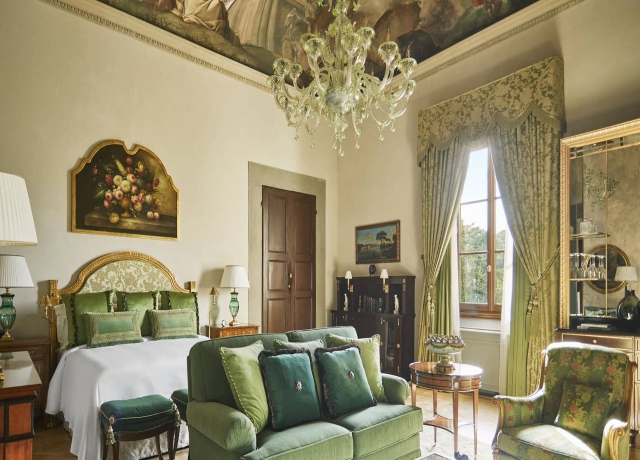
A specialty suite at Four Seasons Florence, vaulted frescoes, Majolica tiled floors, and Renaissance elegance in the heart of the city.
Brunelleschi Hotel
The Brunelleschi Hotel is another favorite, especially for clients who want to wake up to direct Duomo views. With just 96 rooms, it feels boutique and personal. The hotel also has a private museum, a chic cocktail bar, and two restaurants. It is stylish without being over the top and has the perfect balance of history and modern comfort.
Virtuoso Benefits at Brunelleschi Hotel:
- Daily breakfast for two
- $100 USD hotel or dining credit
- Priority room upgrade when available
- Early check-in and late check-out, if available
- Personalized welcome amenity
Book Brunelleschi Hotel with Clements Travel
Experiencing Florence
Florence is an art lover’s paradise. From Michelangelo’s David at the Accademia, to Botticelli’s Birth of Venus at the Uffizi, to hidden gems in artisan workshops, the city is full of treasures. I often arrange behind-the-scenes tours, private drawing lessons with local artists, and food-focused walks that let you experience Florence like a local.
Cooking classes are another favorite, learning to make fresh pasta in a Florentine kitchen is something my clients never forget.
One question I get often is whether you should do Tuscany as a day trip from Florence. It is possible, but I always recommend at least one or two nights in the countryside. If you are wine tasting all day, the last thing you want is a two-hour drive back to the city. Linking Florence with a couple of nights in Tuscany and then continuing on to Rome makes for a natural and seamless itinerary.
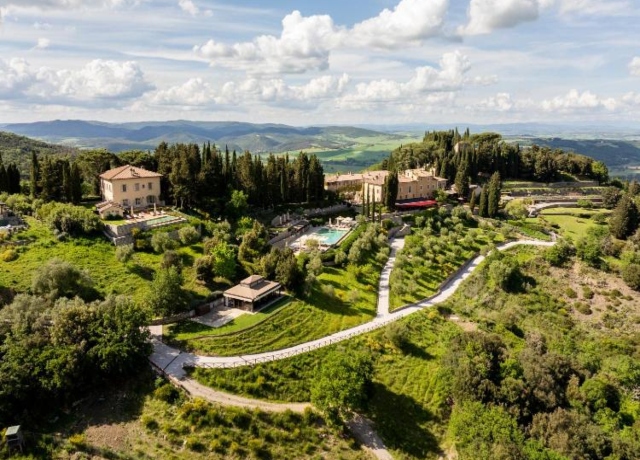
Aerial view of the infinity pool at Rosewood Castiglion del Bosco, a luxury retreat surrounded by Tuscany’s vineyards and hills.
Tuscany
Visitors to Tuscany are spoilt for choice when it comes to hotels. Many properties are open only during the warmer months, though a few now stay open year-round. Personally, I think Tuscany is at its best when the weather is warm and you can fully enjoy the countryside, vineyards, and outdoor dining.
My Top Hotel Picks
- Rosewood Castiglion del Bosco
I absolutely love this property. Even though it is a new build, it has been designed so beautifully that it feels timeless, as though it has always been part of the Tuscan landscape. The estate has two sections: the original building with the main restaurants, bar, and pool, and a newer section up the road with additional rooms and a pizza restaurant. I always try to arrange for my clients to stay in the original section, which feels more special. The pool is one of the best in Tuscany, with sweeping postcard views across the countryside. The Michelin-starred restaurant shares those views and is known for its wood-fired pizzas. One detail I love here is the meat cabinet, where you can choose your own cut for the grill.Virtuoso benefits include:- Daily breakfast for two
- $100 hotel credit
- Upgrade on arrival if available
- Early check-in and late check-out if available
- VIP recognition and welcome amenity
Book now: hello@clements.travel
- Castello di Vicarello
Another excellent option, this is a genuine 12th-century castle with views that stretch as far as the eye can see. It has two pools, an olive grove, and an atmosphere that feels perfectly authentic. The large organic kitchen gardens supply the restaurant, which serves a daily changing set menu. Castello di Vicarello was awarded a spot on the Condé Nast Traveller Gold List in 2019 as one of the best hotels in the world.Virtuoso benefits include:- Daily breakfast for two
- $100 hotel credit
- Upgrade on arrival if available
- Early check-in and late check-out if available
- VIP recognition and welcome amenity
- Book now: hello@clements.travel
Vineyards and Wine
Every property we use in Tuscany has its own vineyard, and tastings are often paired with local hams and cheeses in stunning settings. Out of all my travels, and I’ve done a lot of wine-focused trips, I’ve never found a place better than Tuscany for tastings. It is the combination of world-class wine and unforgettable scenery that makes it so special.
Villages and Small Towns
Beyond the wine, one of the greatest joys of Tuscany is exploring the villages. Two of my favorites that are off the tourist radar are Castelvecchi and Montisi, both complete with castles. Dining in small, family-run trattorias here is a highlight — handwritten menus, one or two specialties, and a truly authentic atmosphere.
The small city of Siena is another favorite, known for its medieval brick architecture. The centerpiece is the fan-shaped Piazza del Campo, where the famous Palio horse race takes place each summer. Many restaurants in Siena cater mainly to tourists, so we guide clients carefully to the best authentic options.
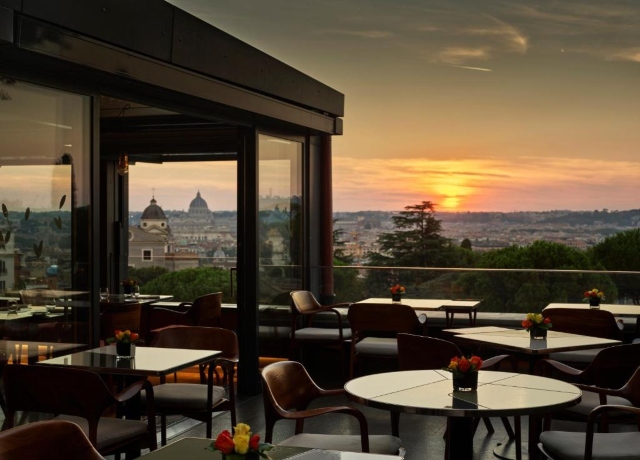
Rooftop views from Hotel Eden in Rome, one of the city’s most glamorous luxury hotels, perfect for sunset dining and cocktails.
Rome
Rome is always a natural stop on any Italian itinerary, and it is a city we know inside out. We have built so many trips around Rome that we have it down to a science, what to see, how to pace it, and where to stay.
My Top Hotel Picks
- Hotel Eden
Our go-to for luxury in Rome. This is the place to be seen, and it oozes glamour. Rooms are decorated in soft, airy tones with city views, and the bathrooms are some of the most beautiful I have seen, floor-to-ceiling marble. The rooftop restaurant and bar are a highlight, with some of the best views in Rome.
Virtuoso benefits include:- Daily breakfast for two
- $100 hotel credit
- Upgrade on arrival if available
- Early check-in and late check-out if available
- VIP recognition and welcome amenity
Book now: hello@clements.travel
- Singer Palace Hotel Roma
I found this hotel by accident, and it quickly became one of my favorites. Clients love it too. It is a boutique gem not many people know about, tucked away on a quiet side street. Stylish, intimate, and personal. The rooftop Jim’s Bar has the best views of the city, and the staff always take extra care when I let them know my clients are coming. The bartender, who has become a friend, even won the title of number one cocktail maker in Italy. - Six Senses Rome
A recent addition that has already built a strong reputation. It is very wellness-focused, with a holistic spa, sound healing, and even a pillow menu. The rooftop restaurant is famous for its wood-fired pizzas. - Corinthia Rome
Opening soon, Corinthia will bring another strong luxury option to the city’s lineup. It is one to watch, especially if you like the style of Corinthia’s other properties worldwide.
Dining in Rome
I give my clients my full list of restaurants in Rome when they book. It has taken me years of visits, local friends’ tips, and client feedback to put it together. It covers everything:
- Rooftop fine dining at Rocco Forte with its garden setting and the freshest tomatoes you will ever taste
- Hole-in-the-wall pizzerias with paper tablecloths
- Side-street gelato stalls
- My personal favorite porchetta sandwich shops for crispy, slow-roasted pork
This way you get the best of Rome, from Michelin-starred dining to authentic casual bites.
Touring Rome
There is a lot to see in Rome, and while you can explore on your own, our guides make the experience something special. With us you get skip-the-line access at nearly all major attractions. Our archaeologist guide can unlock the Arena Floor and Roman Forum at the Colosseum, and our Vatican and St. Peter’s Basilica tours are led by true historians. Whatever you want to see in Rome, we can make it seamless.
Naples
Naples is mainly used as the gateway city to the Amalfi Coast. You can fly in or take the train, then transfer on to the coast. Most travelers do not spend much time here, as the city has had safety issues over the years, especially with pickpocketing.
That said, Naples is still worth a stop for one thing, pizza. This is where pizza was born, and we arrange a hands-on pizza making workshop that clients love. It includes a walking tour of Naples’ famous street food spots followed by a class where you learn to make your own authentic Neapolitan pizza in one of the city’s traditional pizzerias. It is a fun and immersive way to connect with the local culture before heading on to Amalfi, Capri, or Sorrento.

Aerial view of Grand Hotel Excelsior Vittoria in Sorrento overlooking the harbor and Bay of Naples
Sorrento
When it comes to Sorrento, the standout is the Grand Hotel Excelsior Vittoria. I love this property, especially its rooftop bar with live piano music and sweeping sea views. The Michelin-starred Terrazza Bosquet serves some of the freshest seafood you will find, often caught that same day.
Sorrento also works well as a stop on the way to Capri. In fact, you may need to overnight here if you arrive late, since the last boat to Capri leaves around 6:30 pm, even in summer.
Virtuoso benefits include:
- Daily breakfast for two
- $100 hotel credit
- Upgrade on arrival if available
- Early check-in and late check-out if available
- VIP recognition and welcome amenity
Book now: hello@clements.travel
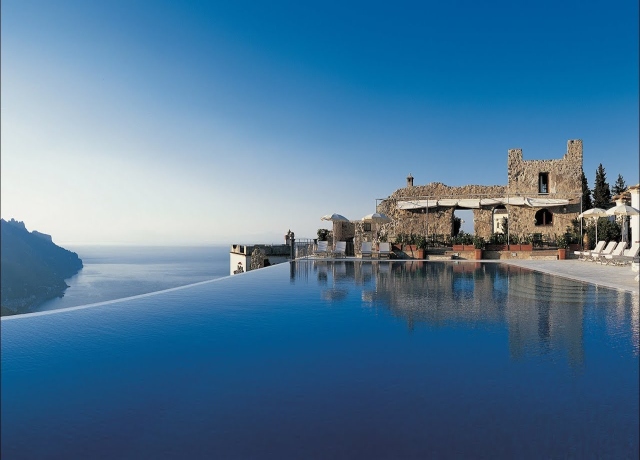
The infinity pool at Belmond Caruso, one of the most iconic views on the Amalfi Coast.
Amalfi Coast
You can reach the Amalfi Coast by flying into Naples or taking the train from Rome. The coastline is one of the most dramatic in the world, with sheer cliffs dropping straight into the sea and villages like Positano and Amalfi hanging onto the hillsides. The big question I always get is where should we stay? For me, the answer is clear.
Caruso, A Belmond Hotel Amalfi Coast
Caruso is our top pick. Every time I book it, I usually get a text from the client within minutes of check-in saying how unbelievable it is. This is Italian grandeur at its best, with jaw dropping sea views and a real sense of occasion. The hotel puts on complimentary garden tours and boat trips, and they are excellent at organizing romantic candlelit dinners overlooking Amalfi. With only 50 rooms, it sells out quickly, so you really do need to plan ahead.
Virtuoso benefits include:
- Daily breakfast for two
- $100 hotel credit
- Upgrade on arrival if available
- Early check-in and late check-out if available
- VIP recognition and welcome amenity
Book now: hello@clements.travel
Palazzo Avino
If Caruso is full, the next best option is Palazzo Avino. Think of it as a little more modern Italian compared to Caruso’s grandeur. A real advantage here is that Palazzo Avino has an exclusive beach club, which is rare for the Amalfi Coast and gives guests direct access to the sea.
Virtuoso benefits include:
- Daily breakfast for two
- $100 hotel credit
- Upgrade on arrival if available
- Early check-in and late check-out if available
- VIP recognition and welcome amenity
- Book now: hello@clements.travel

A classic room at Hotel Santa Caterina, traditional Italian style with sweeping Amalfi Coast views.
Hotel Santa Caterina
Santa Caterina is our third favorite. It is very traditional, old world Italian. The estate is filled with bougainvillea and citrus groves, and the Romeo and Juliet Suite is the real showstopper, a two story chalet perched on the cliff with views that go on forever. Staying here feels like you are living inside classic Italy.
Virtuoso benefits include:
- Daily breakfast for two
- $100 hotel credit
- Upgrade on arrival if available
- Early check-in and late check-out if available
- VIP recognition and welcome amenity
Book now: hello@clements.travel
What to Do
The Amalfi Coast is about slowing down and enjoying the food, the wine, and the views. Fresh seafood, handmade pasta, and lemon specialties are what the region does best. History lovers will want to see Pompeii, which is usually a half day trip with one of our expert historians. Walking here is part of the experience too. There are plenty of hills, but the views make it worth it.
Getting Around
The roads are narrow, winding, and often packed with buses. Driving here yourself is not something I recommend unless you are very confident. Most of our clients rely on hotel house cars or private drivers, which we arrange in advance. It makes the whole experience far easier and lets you actually enjoy the journey.
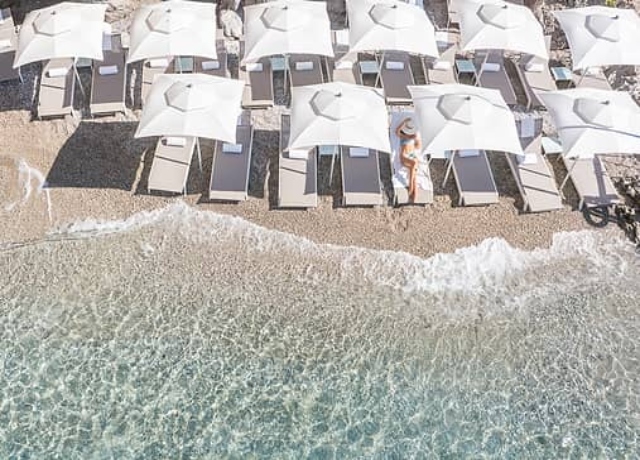
La Palma Beach Club, the place to be during the day in Capri before the island transforms at night.
Capri
Many of our clients add Capri on after Sorrento or Amalfi. You can either take a 40-minute private boat from Sorrento or, if you want to arrive in real style, come in by helicopter. Capri is one of those places that is simply magical. It oozes cool and sophistication, and when you spend a night here you understand why it is such an icon.
Hotel La Palma, Capri – Oetker Collection
We love the newly renovated La Palma, Capri’s very first hotel. With only 50 rooms, each with its own terrace or balcony, it feels boutique but polished. Staying here also gets you access to the island’s top beach clubs, which are at the center of Capri’s social scene. Interiors are fresh and elegant, all whites and greens, exactly what you picture when you think of Capri style.
Virtuoso benefits include:
- Daily breakfast for two
- $100 hotel credit
- Upgrade on arrival if available
- Early check-in and late check-out if available
- VIP recognition and welcome amenity
- Book now: hello@clements.travel
JK Place Capri
Capri is home to one of the best JK Place hotels anywhere. With just 22 rooms, it is small, intimate, and beautifully done. The terrace here is the best spot on the island for sunset cocktails, overlooking the sea in total style.
Virtuoso benefits include:
- Daily breakfast for two
- $100 hotel credit
- Upgrade on arrival if available
- Early check-in and late check-out if available
- VIP recognition and welcome amenity
- Book now: hello@clements.travel
Getting to Capri
We usually arrange a private boat to Capri. It is about 40 minutes from Sorrento, a little longer from Naples or Positano, and it is by far the most comfortable way to arrive. It feels special the moment you step onboard, and it is the perfect start to a stay on the island.
For those who prefer speed, there is also the helicopter option, which is quick and makes for a very dramatic arrival.
The Vibe
Daytime on Capri is all about the beach clubs, and La Palma Beach Club is the one to be at. Spend the afternoon swimming, relaxing, and enjoying the scene. When the day-trippers leave around 6:30 pm, the island transforms. This is when Capri shows its true charm. Head into town for al fresco dining in the piazza, order a cocktail (the local favorite is the “Capri”), and wander through the designer boutiques. Evenings here feel chic, stylish, and unforgettable.
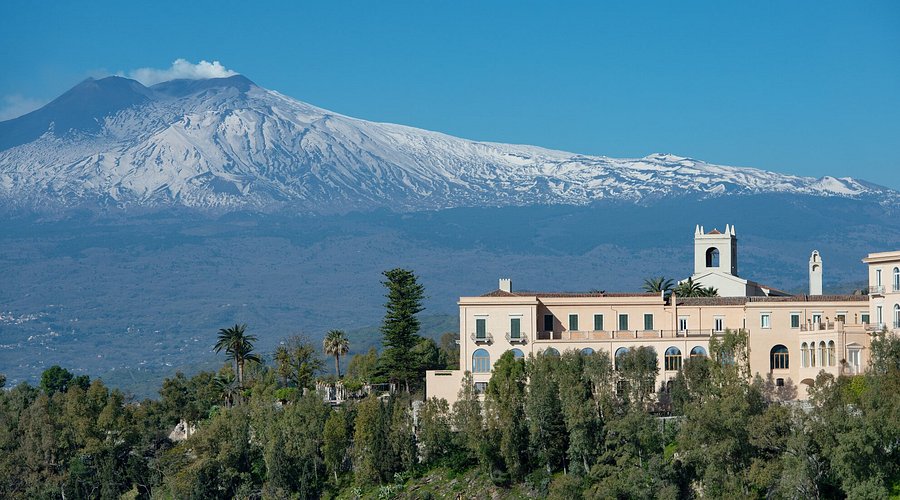
San Domenico Palace in Taormina, a Four Seasons hotel with sweeping views of Mount Etna and the Ionian Sea.
Sicily (Taormina)
Over the last few years, more of my clients have been looking beyond the classic trio of Florence, Venice, and Rome. Once those are covered, I often recommend heading south, and Sicily has become one of the strongest choices. It is better connected than ever, with world-class hotels and experiences that are every bit as good as the north.
San Domenico Palace, Taormina – A Four Seasons Hotel
When The White Lotus filmed here, San Domenico Palace became an overnight sensation. The attention was well deserved. This former 14th-century convent sits high on a rocky promontory overlooking the Ionian Sea. The infinity pool has panoramic views of Mount Etna and the ancient Greek theater, and everything runs at the level you expect from Four Seasons. Think award-winning dining, a beautiful spa, and service that makes every detail effortless. The town of Taormina is right at your doorstep, so you can walk out and be in the middle of it all.
Virtuoso benefits include:
- Daily breakfast for two
- $100 hotel credit
- Upgrade on arrival if available
- Early check-in and late check-out if available
- VIP recognition and welcome amenity
- Book now: hello@clements.travel
Grand Hotel Timeo, Taormina – A Belmond Hotel
The other property I book often is the Grand Hotel Timeo, a Belmond hotel with serious pedigree. Audrey Hepburn and Sophia Loren stayed here, and it still carries that classic Italian glamour. It sits right next to the Greek theater, and most of the 70 rooms have balconies with direct views of Mount Etna and the sea. Inside it is baroque and elegant, outside it feels timelessly Sicilian.
Virtuoso benefits include:
- Daily breakfast for two
- $100 hotel credit
- Upgrade on arrival if available
- Early check-in and late check-out if available
- VIP recognition and welcome amenity
Book now: hello@clements.travel
Why Sicily Works
Sicily is a foodie’s heaven with markets, wine tastings, and cooking classes that are as good as anything in Italy. But what really sets it apart are the experiences you cannot get in the north. Clients love trekking on Mount Etna, where you can hike across old lava fields and look straight down into smoking craters with an expert volcanologist. Pair that with a vineyard visit on Etna’s slopes, and you get one of the most memorable days anywhere in Italy.
Add in the archaeological sites, UNESCO towns, and a slower pace of life, and Sicily has become one of my go-to recommendations for clients who want something different without losing any of the luxury.
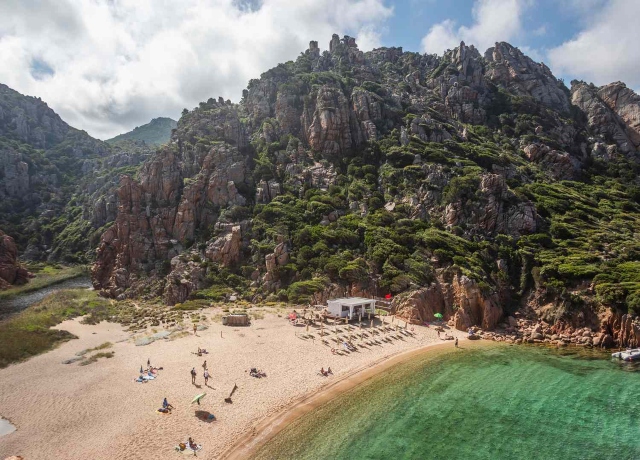
Sardinia’s beaches are some of the most beautiful in Europe, with soft white sand and crystal-clear turquoise water.
Sardinia
Sardinia feels like another world, even though it is part of Italy. Picture turquoise water, white sand beaches, and rugged landscapes. The island is most famous for the Costa Smeralda, a true jet-set paradise where superyachts line the marina and the international elite arrive every summer. The hub is Porto Cervo, full of designer boutiques, buzzing nightlife, and a social scene that feels more like St. Tropez than Italy.
Where to Stay
Luxury hotels in Sardinia are seasonal, usually opening from late May through September. A few of my top recommendations:
- Hotel Cala di Volpe, Costa Smeralda – Luxury Collection
An icon of Sardinia, with its whitewashed architecture and prime setting on the bay. Perfect for those who want to be in the middle of the Costa Smeralda action.Virtuoso benefits include:- Daily breakfast for two
- $100 hotel credit
- Upgrade on arrival if available
- Early check-in and late check-out if available
- VIP recognition and welcome amenity
- Book now: hello@clements.travel
- Hotel Capo d’Orso Thalasso & Spa
A quieter, more secluded choice with incredible sea views and a strong wellness focus. - Hotel Pitrizza, Costa Smeralda – Luxury Collection
Smaller and more intimate, with villas and private pools that feel private and romantic.Virtuoso benefits include:- Daily breakfast for two
- $100 hotel credit
- Upgrade on arrival if available
- Early check-in and late check-out if available
- VIP recognition and welcome amenity
- Book now: hello@clements.travel
For something ultra-private, many of our clients choose exclusive villas or luxury yacht charters. Sardinia is one of the best places in Europe to do this.
Food & Experiences
Food in Sardinia is rustic and very different from the mainland. Specialties include porceddu (slow roasted suckling pig), pecorino cheese, hearty breads, and crisp local wines like Vermentino.
Beyond food, Sardinia is one of Italy’s best destinations for active travelers. You can hike rugged coastal trails, explore Bronze Age ruins called nuraghe, or take a private boat out to discover hidden coves that you will have completely to yourself.
Getting There
Sardinia is easy to combine with mainland Italy. For the north and Costa Smeralda, fly into Olbia (OLB). For the south, fly into Cagliari (CAG). Many of our clients pair Sardinia with a few days in Rome or Florence, or even with Corsica, which is just across the water.
Ready to Plan Your Luxury Italy Trip for 2026?
Italy is one of those destinations that never stops giving, no matter how many times you visit. With my firsthand knowledge, trusted local partners, and access to exclusive hotel programs like Virtuoso, Four Seasons Preferred Partner, and Marriott STARS, I can make sure your trip is seamless from start to finish.
When you book with Clements Travel, you’ll enjoy:
- Daily breakfast for two at luxury hotels
- Valuable resort or hotel credits
- Priority upgrades where available
- Early check-in and late check-out when possible
- VIP treatment and recognition throughout your stay
The best part is that my service is completely free. You only pay the cost of your trip, and I handle all the details — hotels, transfers, flights, restaurant reservations, and once-in-a-lifetime experiences.
Ready to plan your 2026 Italy trip? Email hello@clements.travel for VIP hotel perks, seamless itineraries, and my personal expertise.
Trusted by Luxury Travelers Worldwide

Trusted by Luxury Travelers Worldwide
Trusted by Luxury Travelers Worldwide